

Last Updated: November 10, 2026
Quick Summary
The best engagement ring shape depends on the look, sparkle and durability you want. Round offers the most brilliance and everyday durability, while oval and marquise look larger face-up. Choose a shape by ranking your priorities, then compare stones in person before deciding.
- Round shapes return the most even sparkle and have no corners to chip.
- Oval and marquise spread wider face-up, so they often look bigger than their carat weight.
- Pointed shapes like pear and marquise are more vulnerable to chipping at the tip.
- Check a stone's measurements in person, since photos can misrepresent its length-to-width ratio.
- Rank sparkle, outline, finger coverage, durability and budget before choosing a shape.
Table of Contents
- How Engagement Ring Shape Affects Look, Size and Feel
- Diamond Shape vs Diamond Cut: Why the Difference Matters
- Engagement Ring Cuts Meaning: Round, Oval, Cushion, Princess and Emerald
- Engagement Ring Cuts Chart: Comparing Shapes Side by Side
- Which Engagement Ring Shape Is the Most Popular, and What the Data Shows
- Matching Shape to Your Partner's Style, Hand and Lifestyle
- Face-Up Size, Carat Weight and Budget Trade-Offs by Shape
- Durability and Everyday Wear by Shape
- What Ring Shape Is Best for Me: A Decision Framework and Quick Quiz
- Choosing Your Shape and Booking a Custom Consultation at Alex Park
- Frequently Asked Questions
How Engagement Ring Shape Affects Look, Size and Feel
Choosing an engagement ring shape is the first decision that determines how the ring looks on the hand. The shape you pick shapes everything from perceived size to how the stone sits against the finger. Round and oval shapes are the most common choices in the reported data, with The Knot's 2026 engagement ring study as reported by National Jeweler finding 26% of couples chose round and 25% chose oval.
Shape changes how light moves through a stone. Round brilliant cuts return the most even sparkle, while elongated shapes such as oval and marquise tend to look larger face-up than their carat weight suggests. Step cuts like emerald show fewer flashes but a cleaner, more architectural look.
Feel matters too. A pointed shape like pear or marquise can catch on fabric, while a rounded cushion or round stone sits more comfortably in daily wear.
Diamond Shape vs Diamond Cut: Why the Difference Matters
Shape and cut are often confused, but they describe different things. Shape is the outline of the stone seen from above, such as round, oval or cushion. Cut describes the facet arrangement and proportions that determine how well a diamond returns light.
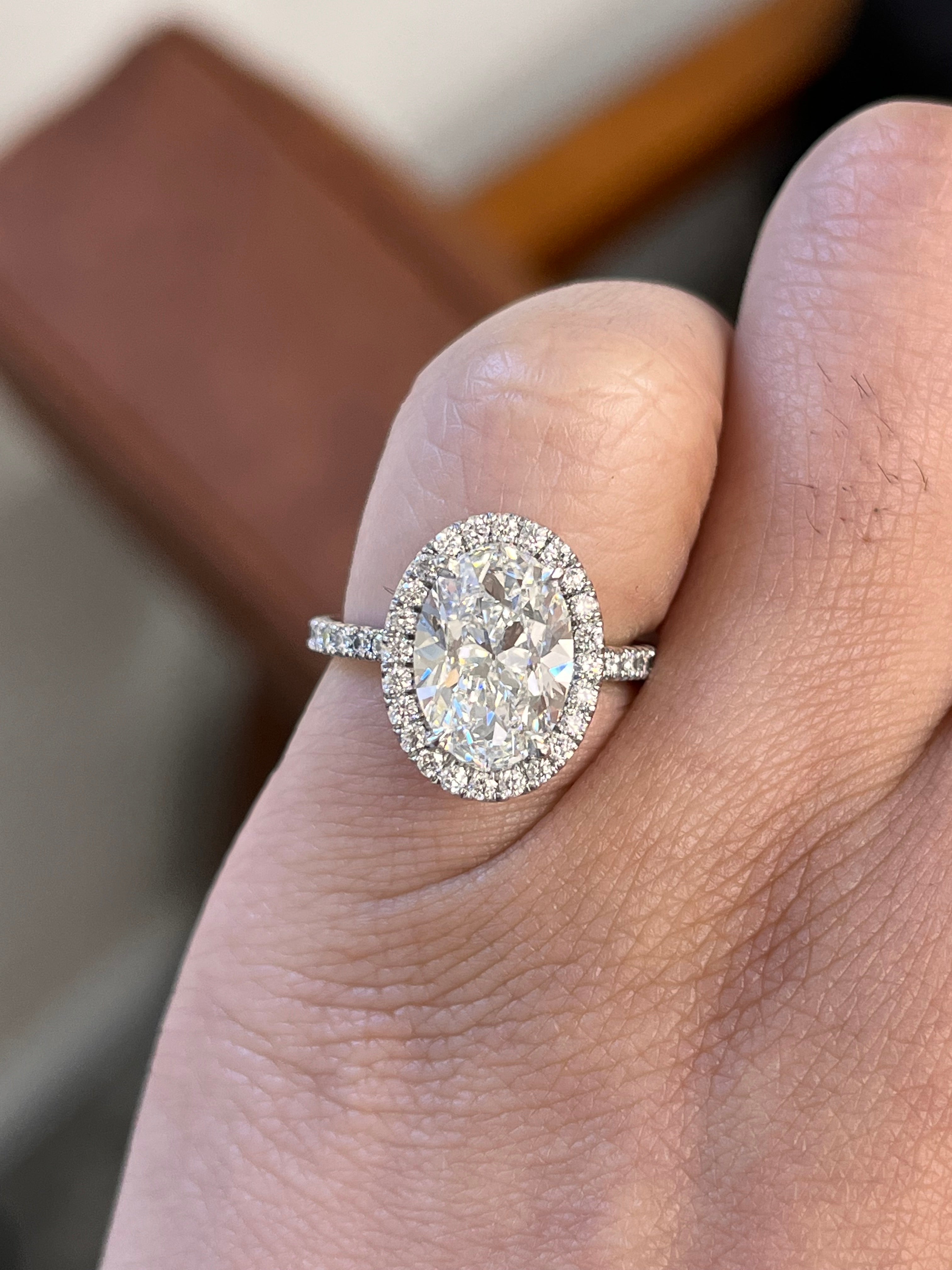
This distinction matters when you compare two rings with the same shape. A well-cut oval will look brighter and more lively than a poorly cut one, even at the same carat weight. Shape is a matter of taste, while cut quality affects brilliance and value.
Watch out: buyers sometimes choose a shape based on a single photo, then discover the stone's length-to-width ratio looks different in person. Always check the measurements before you buy.
Engagement Ring Cuts Meaning: Round, Oval, Cushion, Princess and Emerald
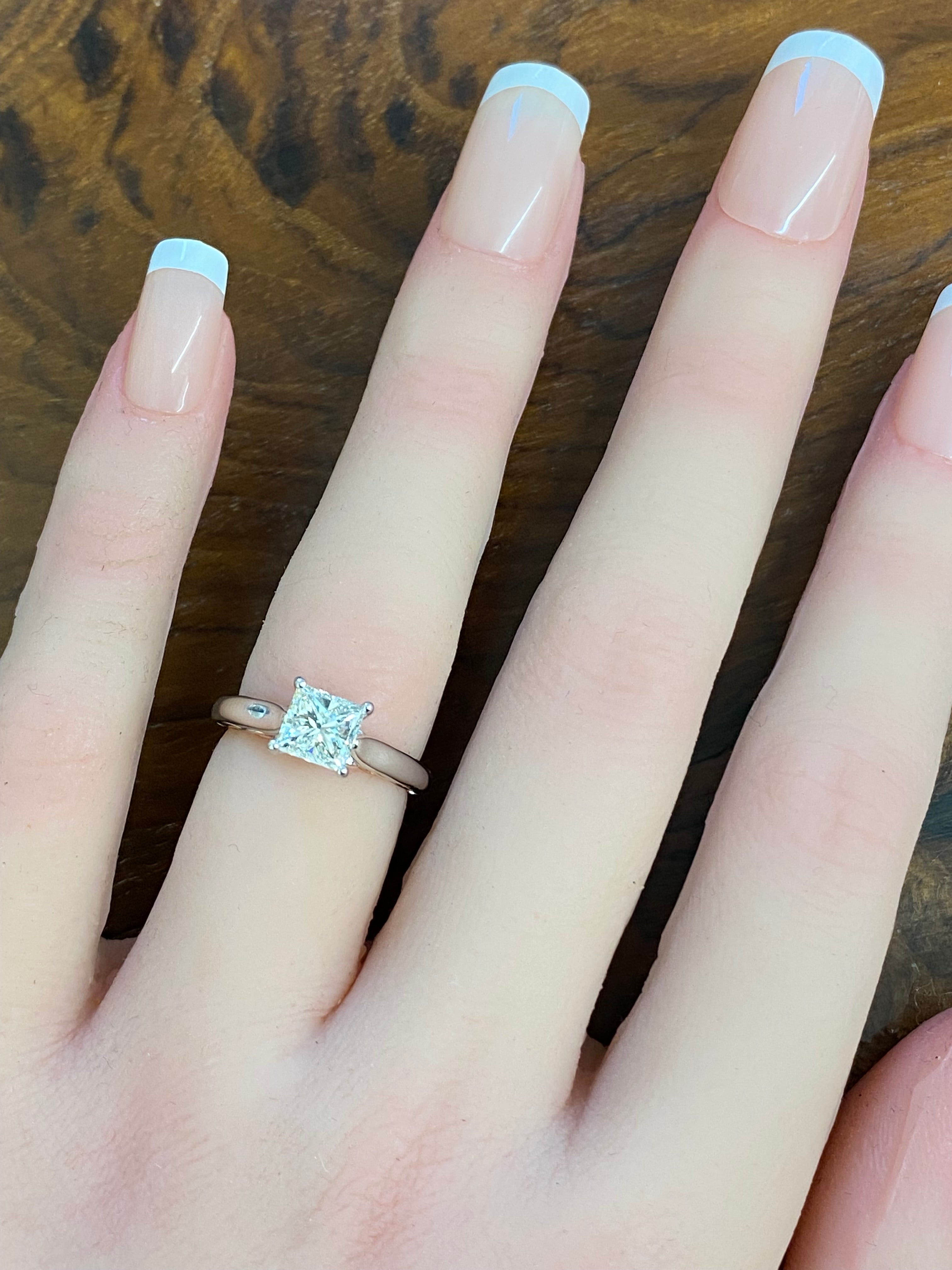
Each shape carries its own character. Round is the classic choice, valued for its maximum brilliance. Oval offers the look of a larger stone and suits slender fingers well. Cushion, with its soft rounded corners, feels vintage and romantic. Princess is square-cut and bright, while emerald is a rectangular step cut with long, clean lines.
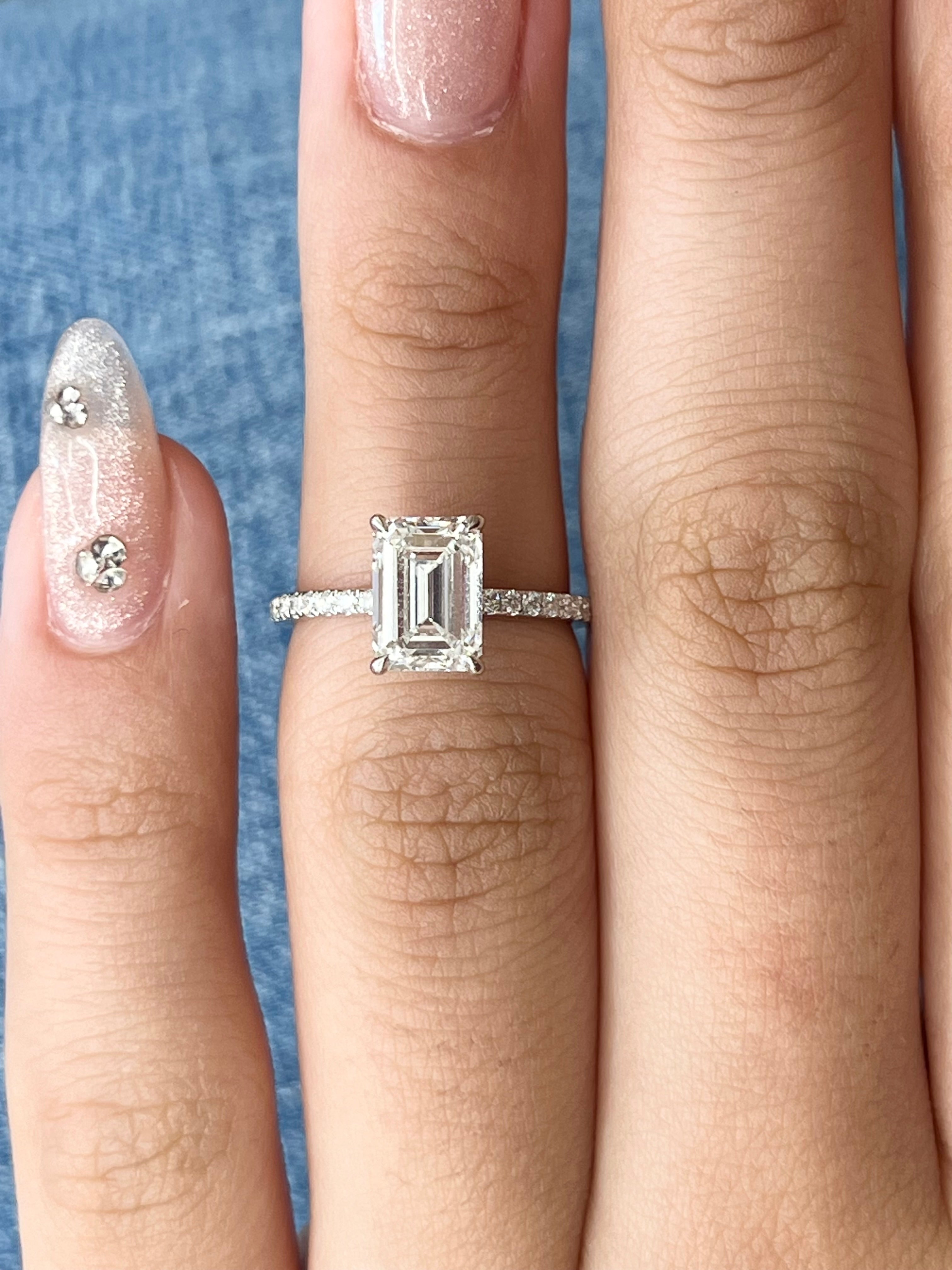
An emerald cut engagement ring shows how a step cut reads on the hand: a long, hall-of-mirrors look rather than scattered sparkle.
Engagement Ring Cuts Chart: Comparing Shapes Side by Side
| Shape | Sparkle | Looks Larger Face-Up | Everyday Durability | Best For |
|---|---|---|---|---|
| Round | Highest | Moderate | Excellent | Classic, maximum brilliance |
| Oval | High | High | Good | Elongated fingers, larger look |
| Cushion | High | Moderate | Good | Vintage, romantic style |
| Princess | Very high | Moderate | Fair (corners need protection) | Modern, bold |
| Emerald | Lower, hall-of-mirrors | High | Good | Architectural, understated |
Our 1ct marquise shape lab diamond ring and white gold 1.01ct pear shape lab diamond ring show how the pointed shapes differ from the rounder options above.
Which Engagement Ring Shape Is the Most Popular, and What the Data Shows
Popularity shifts from year to year, and shape preference is not uniform across buyers. King Jewelers' 2026 engagement ring trends lists elongated diamond shapes among its biggest trends for 2026, though the source does not give an adoption percentage.
Retailer data points the same direction. Queensmith's 2026 client data reports that 35% of its clients chose oval rings, compared with 32% who chose round. This reflects one retailer's clients, not an industry-wide survey.
The most popular shape is the one that suits the wearer. Use popularity as context, not as a verdict.
Matching Shape to Your Partner's Style, Hand and Lifestyle
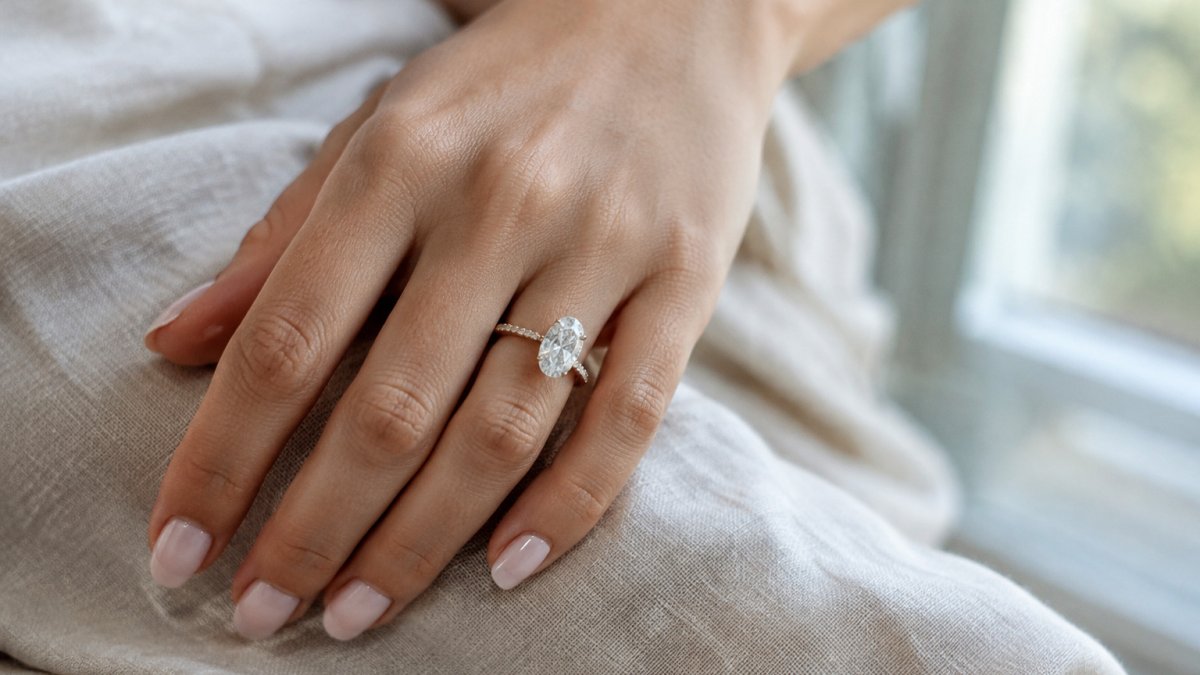
Start with what you know about your partner's taste. Vintage pieces lean toward cushion and oval, while minimalists often prefer round or emerald. Consider finger length and width as well: elongated shapes can add length to shorter fingers, while round stones suit most hands.
Lifestyle counts. Someone who works with their hands may prefer a more protected setting for a pointed shape.
Face-Up Size, Carat Weight and Budget Trade-Offs by Shape
Face-up size is how large a stone appears when worn. Elongated shapes such as oval and marquise often look bigger than a round stone of the same carat weight, because their surface area is spread wider. This can let you choose a slightly smaller carat weight while keeping the visual impact.
Budget works differently across shapes. Round stones are often priced at a premium per carat because of cutting yield, while fancy shapes can offer more size for the money. Our 2.02ct asscher lab diamond ring shows how a step cut at this size reads on a finger.
Durability and Everyday Wear by Shape
Durability depends on two things: the shape of the outline and how well the setting protects it. A stone's corners and points are the places where force concentrates. When a ring knocks against a doorframe, a steering wheel, or a keyboard, the impact travels to the thinnest, most exposed part of the stone. That is why pointed shapes are more vulnerable than rounded ones.
Round brilliants have no corners at all, so impact is spread evenly around the girdle. Cushion and princess cuts have corners that are rounded or squared, which concentrate stress more than a round but less than a sharp point. Pear and marquise end in a single point, and that point is the most common site of chipping. Emerald and Asscher are step cuts with long, open facets and straight edges. They are less prone to chipping at the corners, but their large flat facets show scratches and surface abrasion more readily, so polish quality matters more.
Setting matters as much as shape. A pointed stone set in a prong head with exposed tips has more risk than the same stone in a bezel or a protective V-prong. For a pear or marquise, ask the jeweler whether the tip is set with a small metal guard or a V-shaped prong, and check that the setting is inspected regularly.
Everyday maintenance is also shape-specific. A round stone needs regular cleaning to keep its brilliance, but it rarely needs special handling. For step cuts, check the facet edges and girdle for small chips at each professional cleaning. For pointed shapes, have the setting checked at least once a year, since prongs can loosen over time and leave the tip unprotected.
If you work with your hands, a round or cushion stone in a protective setting is the lower-maintenance choice. If you wear the ring mostly for occasions, a pointed or step-cut shape is a reasonable choice, provided the setting protects the vulnerable parts.
What Ring Shape Is Best for Me: A Decision Framework and Quick Quiz
Most people do not choose a shape by picking the one they like best. They choose by ranking a handful of priorities and letting the top priority eliminate options. Before you look at any stone, rank these five factors from most to least important to you:
- Sparkle: how much light return and flash you want from the stone.
- Outline: whether you prefer a classic round silhouette, an elongated one, or a geometric step-cut shape.
- Finger coverage: how much of the finger the stone covers face-up, which depends on length and width.
- Durability: how comfortable you are with a shape that has exposed points or corners.
- Budget: how much you are willing to spend on carat weight versus the shape itself.
Once you have a ranking, work through this decision tree:
- If durability is your top priority, start with round or cushion. Round has no corners to chip, and cushion's rounded corners are more forgiving than princess or emerald.
- If sparkle is your top priority, round and princess return the most brightness. Emerald will look calmer, with a hall-of-mirrors effect rather than scattered flashes.
- If outline or finger coverage is your top priority, oval and marquise spread wider face-up, which can make a stone of the same carat weight look larger. Pear offers a similar effect with a softer point.
- If budget is your top priority, compare fancy shapes at the same face-up size rather than at the same carat weight. Fancy shapes often deliver more visible size per dollar than round, because cutting yield is different.
- If two priorities conflict, such as sparkle and finger coverage, choose the shape that satisfies the higher-ranked one and accept the trade-off on the lower one.
A quick way to test your ranking: imagine the ring has been worn for a year. Which of the trade-offs you accepted would bother you most? Whatever that is, it should not be your top priority.
Watch out: a ranking built from a single photo can mislead you. Compare the stone in person, or view it at true scale on a finger, before you commit to the top-ranked shape.
Choosing Your Shape and Booking a Custom Consultation at Alex Park
Once you have a shape in mind, the next step is seeing it in person. Alex Park Corp offers custom-made diamond engagement rings and fine jewelry, so you can compare stones before deciding. Browse our IGI certified 2.06 ct princess engagement ring and other pieces, then contact us to discuss a custom design that matches the shape to your partner's style.
Frequently Asked Questions
How do I know what shape engagement ring to get?
Start with your partner's everyday style and jewelry they already wear. Look at whether their pieces are delicate or bold, vintage or modern, and whether they favor clean lines or ornate detail. Then consider their hand shape: longer fingers suit elongated shapes such as oval, marquise and pear, while shorter fingers often look balanced with round or cushion stones. If you cannot ask directly, check which rings they have pinned or saved, and pay attention to any comments about stones they admire. Pairing the shape with a setting that matches their taste matters as much as the stone itself.
Which engagement ring shape looks biggest for its carat weight?
Elongated shapes such as oval, marquise and pear generally show more face-up surface area than a round brilliant of the same carat weight, because the spread of the stone is distributed across a longer outline. Round brilliants tend to look smaller for the same weight because more of the rough is lost to their cut proportions. Cushion and princess cuts sit between these two extremes. Compare the stones' measurements, not just carat weight, when you judge size.
What is the difference between a diamond shape and a diamond cut?
Shape describes the outline of the stone when viewed from above, such as round, oval, emerald or heart. Cut refers to the quality of the facet arrangement and proportions, which determines how well the stone reflects light. A round diamond can have an excellent or poor cut, and the same is true of every other shape. When choosing, decide on shape first for appearance, then judge cut quality separately, since a well-cut stone of any shape will look more brilliant than a poorly proportioned one of the same weight.
Which is the most popular engagement ring shape right now?
Published figures vary by source. Published surveys and retailer reports vary in their methods and samples, so treat any single percentage as an indicator rather than a definitive ranking. Round and oval remain the leading choices in most reports, with elongated shapes gaining interest in recent trend forecasts.
How do I choose an engagement ring shape without asking my partner?
Look for clues in their existing jewelry, how they describe pieces they admire, and whether they prefer minimal or statement designs. Ask a friend or family member who knows them well, and consider their daily habits, since a shape with prongs may catch on sleeves or gloves. If you are still uncertain, choose a shape that suits a range of styles, such as round or oval, and select a setting that can be adjusted later.
